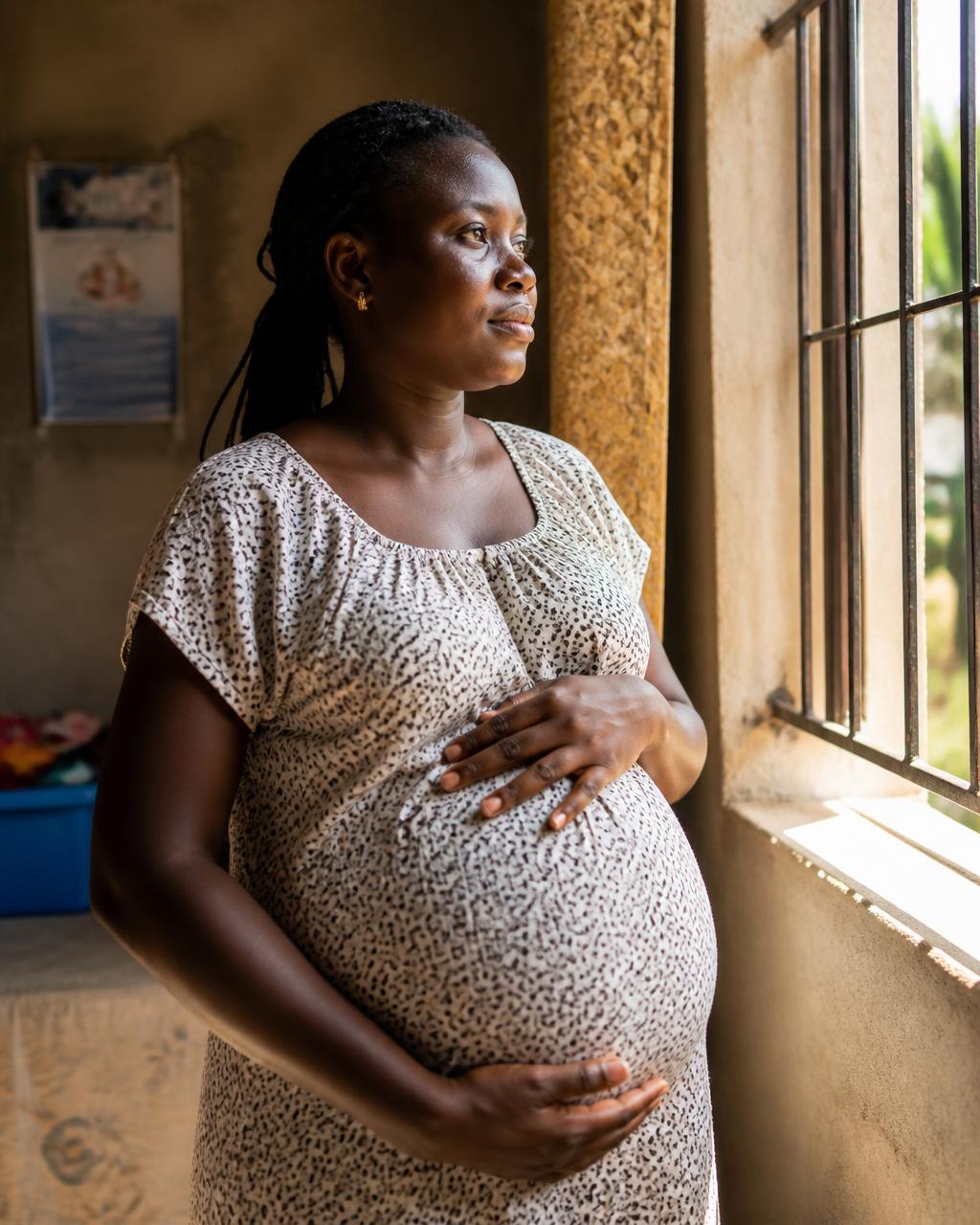
Pregnancy
Antenatal visits, warning signs, and week-by-week guidance.
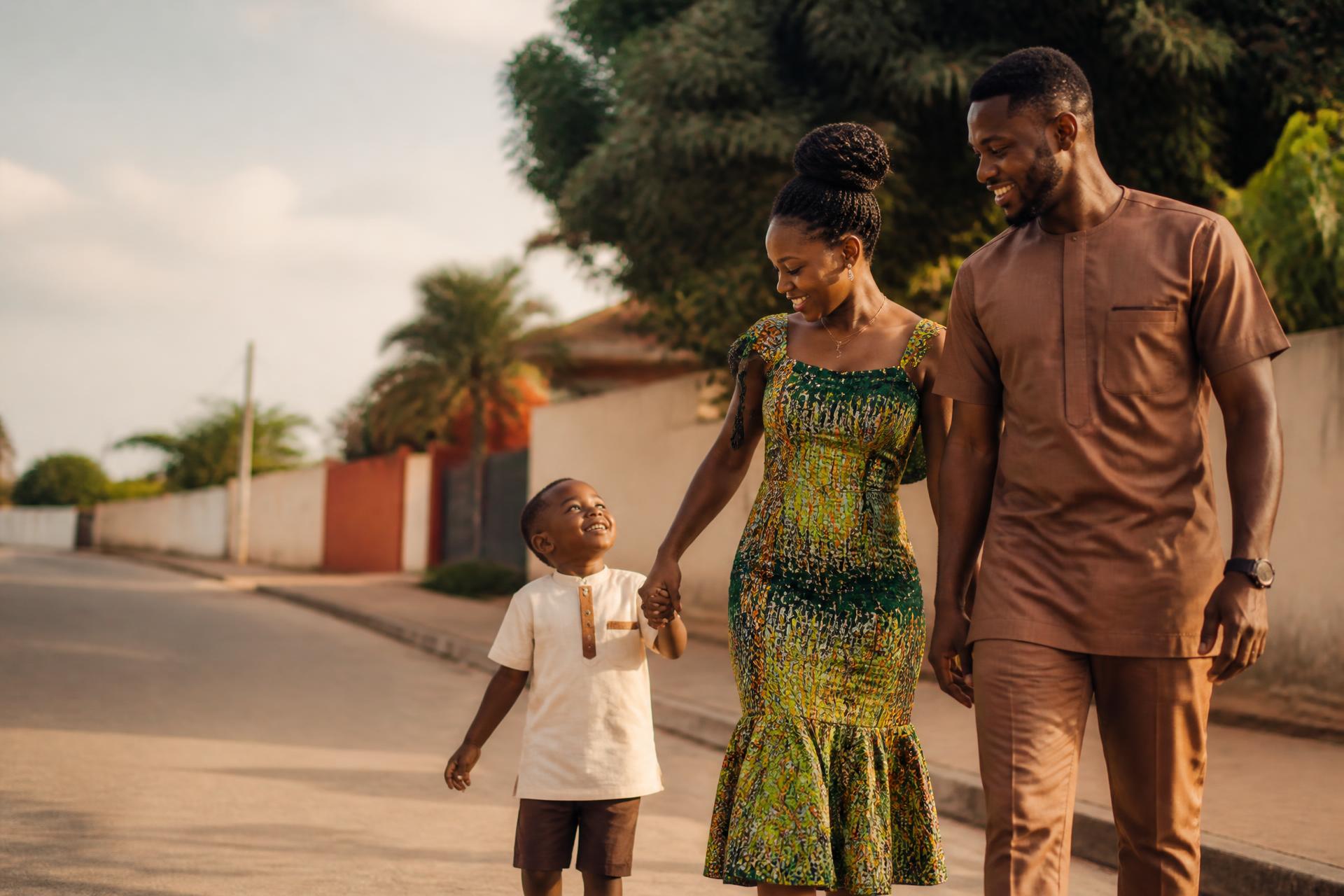
One health journey. One trusted record.
Healthy Ghana helps you understand your health, build healthier habits, and stay connected to the care and information you need.
Free to join. Works with or without a smartphone — by app, USSD, SMS, or your nearest community health worker.
Health for every stage of life
One platform that grows with a person — and with a household. Nobody is handed a service built for somebody else's stage of life.
Antenatal visits, warning signs, and week-by-week guidance.
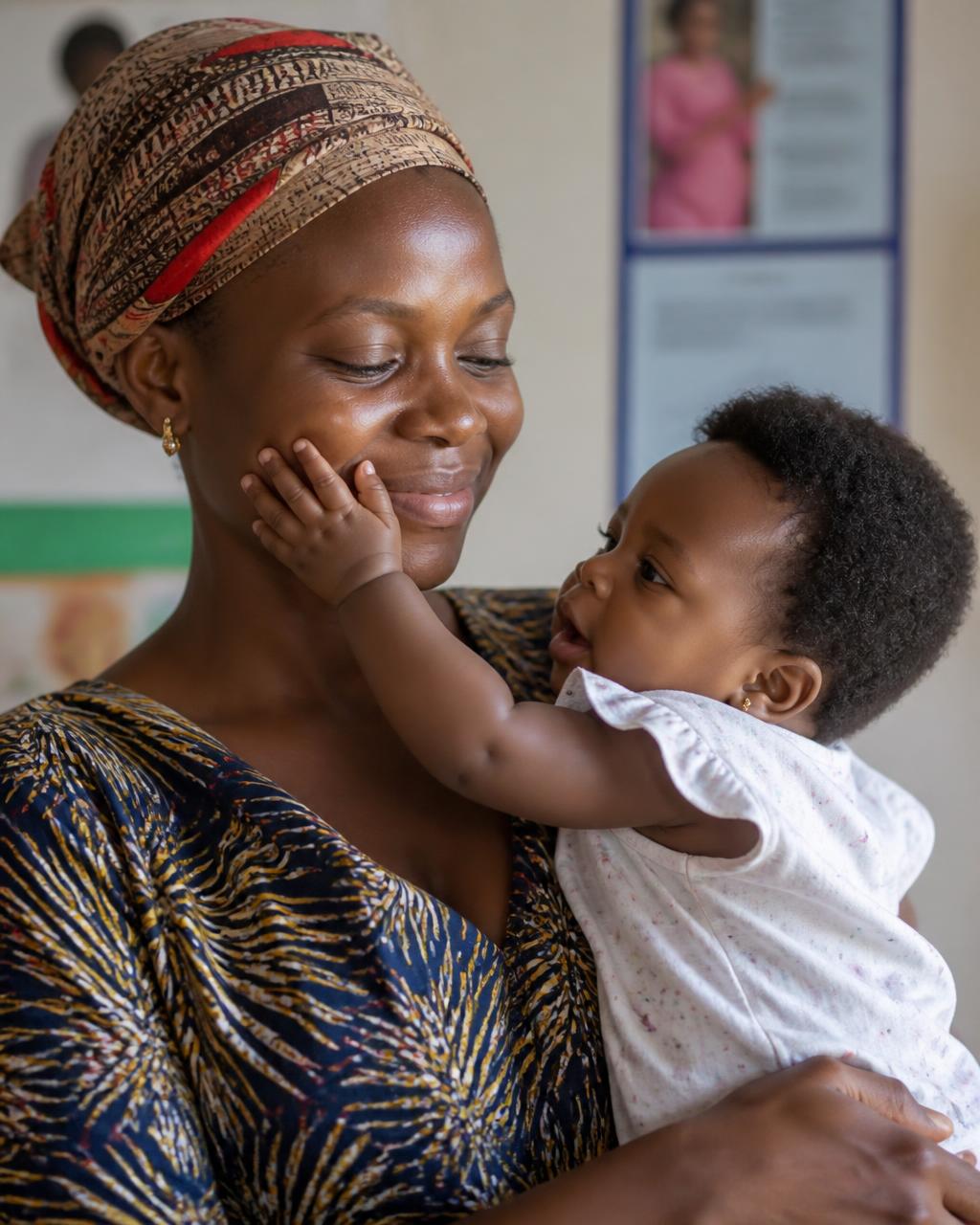
Feeding, immunisations and growth from the very first days.

Diverse diets, milestones and school-age wellbeing.
Blood pressure and sugar checks long before symptoms.
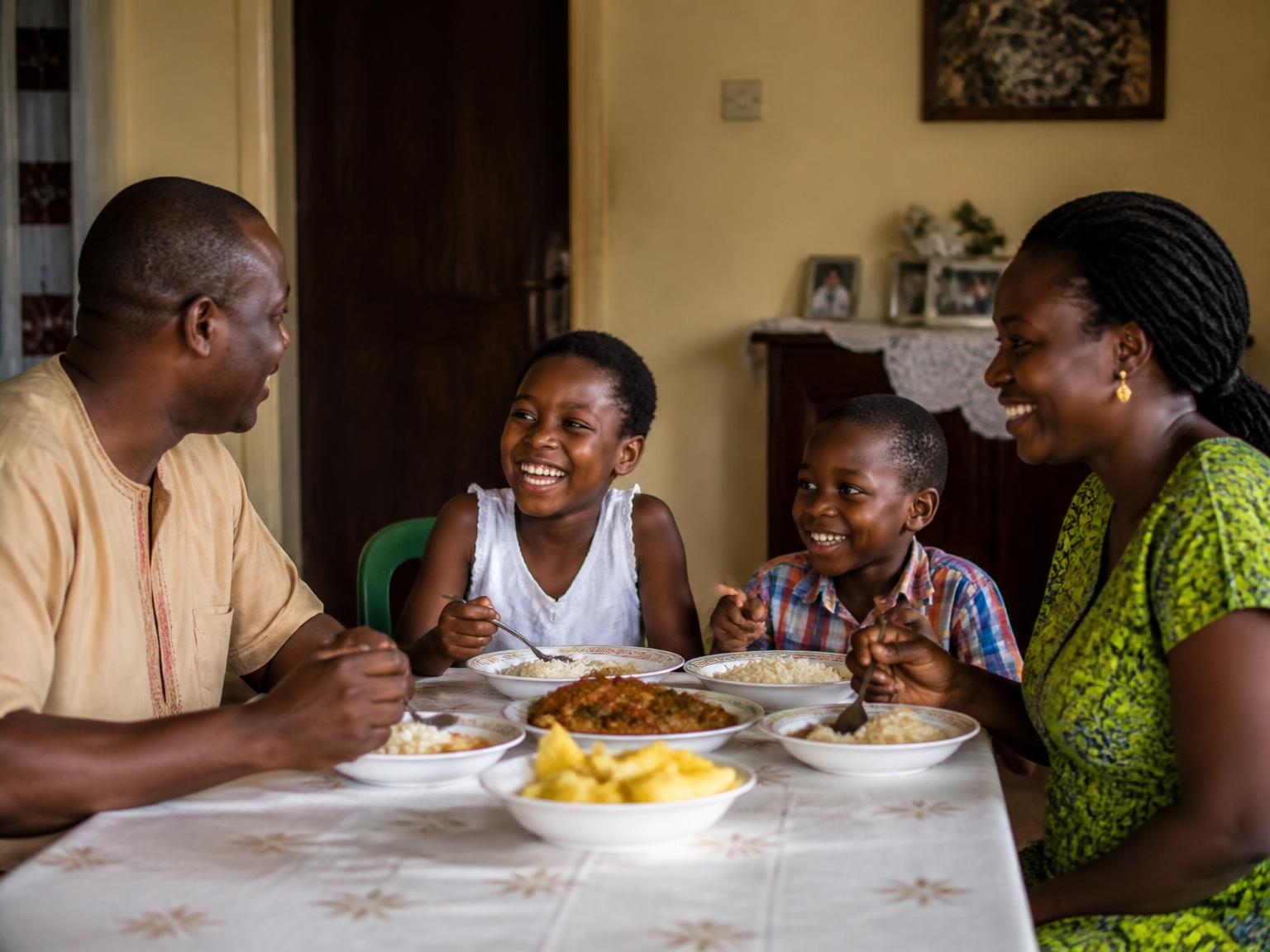
One account for parents, partners and children.
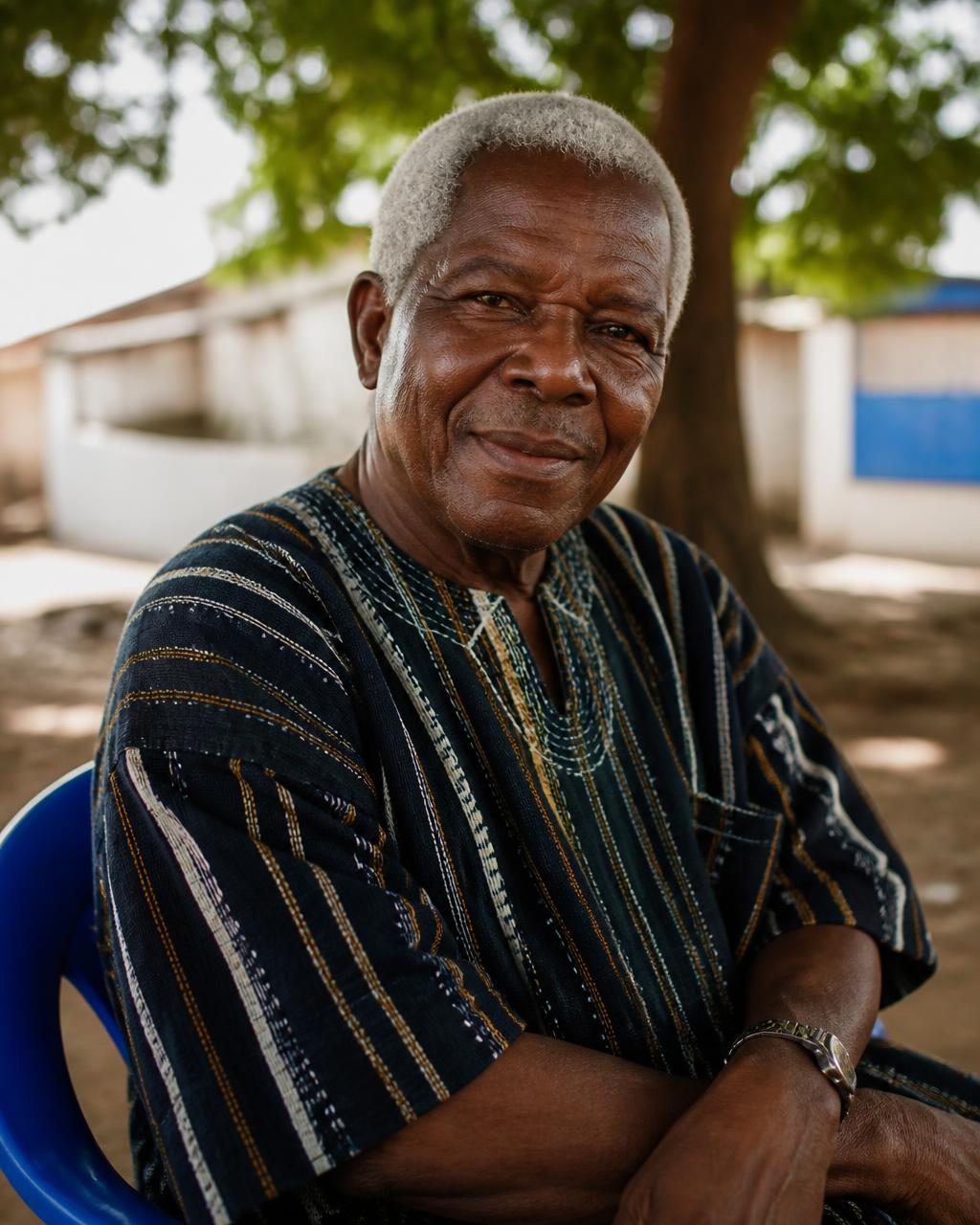
Medicines, mobility and staying independent for longer.
The challenge
Prevention starts when a reading, a meal, a missed appointment or a warning sign becomes visible early enough to act on it.
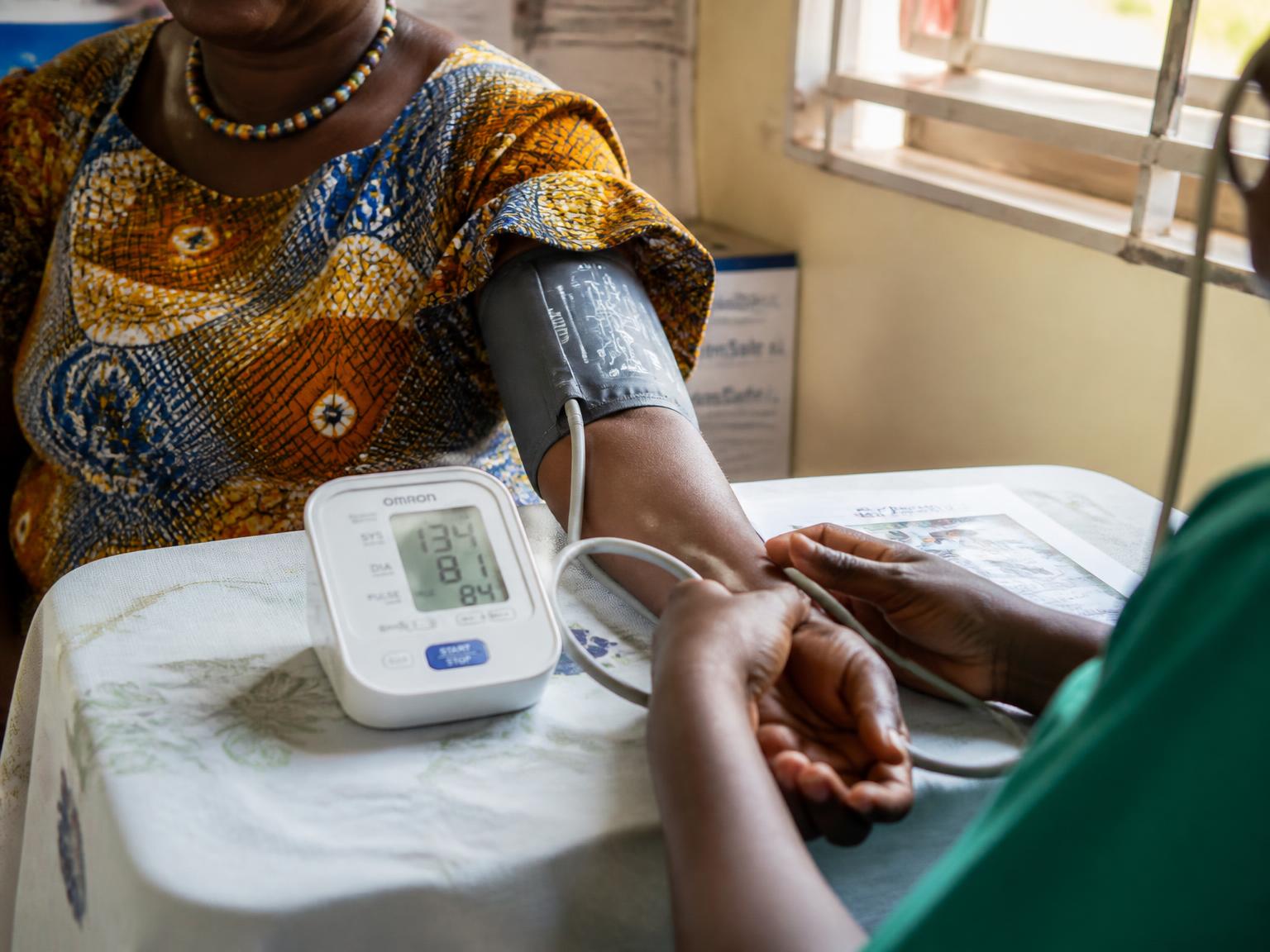
Know your health
Healthy Ghana keeps your readings in one place and shows the trend behind them — in plain language, without alarm and without diagnosis.
Blood pressure
142/90mmHg
Recorded this morning
Seven-day trend · 7-day average 138/88
“Your readings have been elevated this week. Persistent elevated blood pressure can increase health risk — it's worth arranging a professional assessment.”
Eat well
Waakye, kontomire, banku, grilled tilapia, garden eggs, groundnut soup — adapted for heart health, diabetes or pregnancy, never replaced with food nobody cooks.
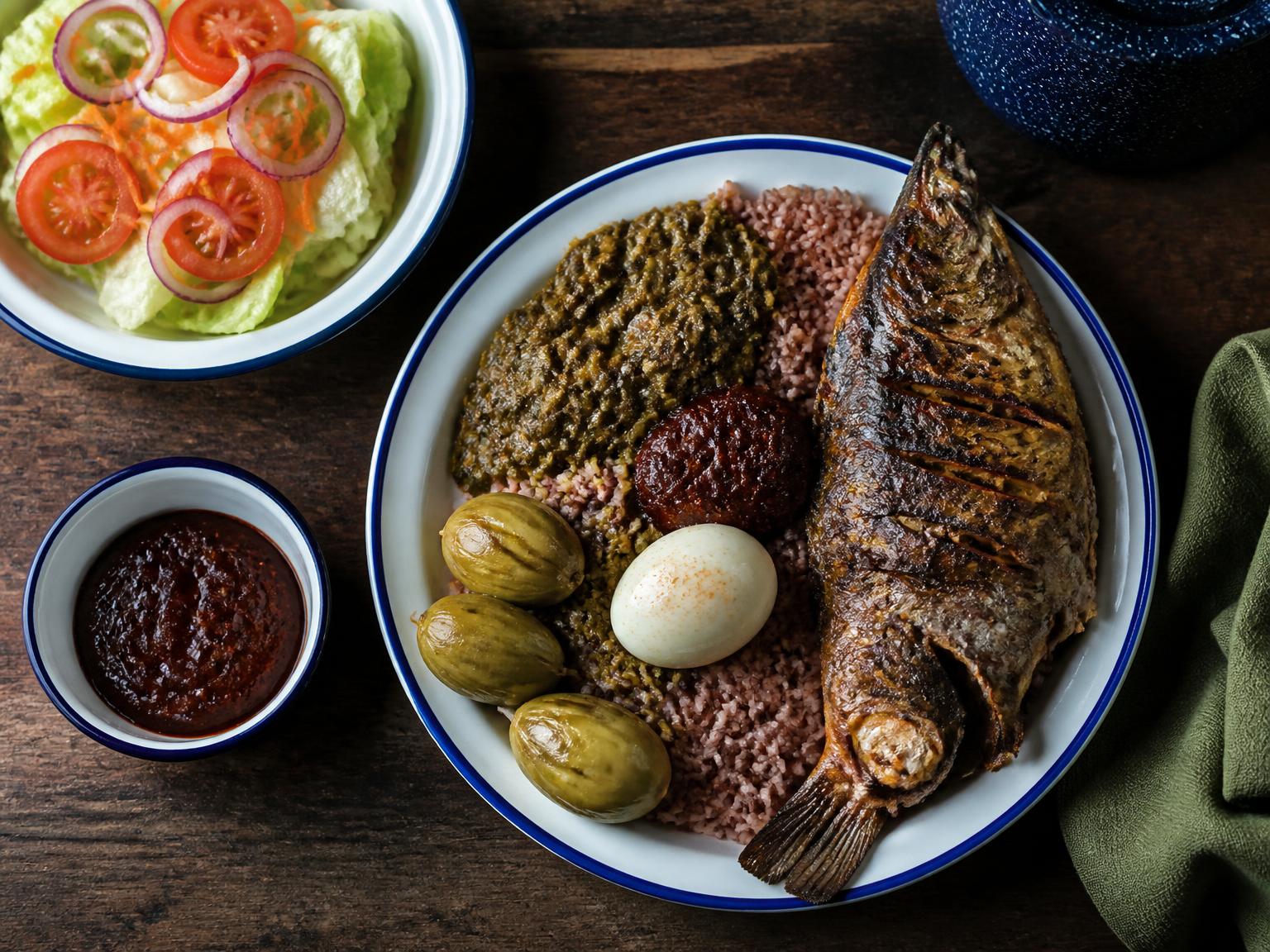
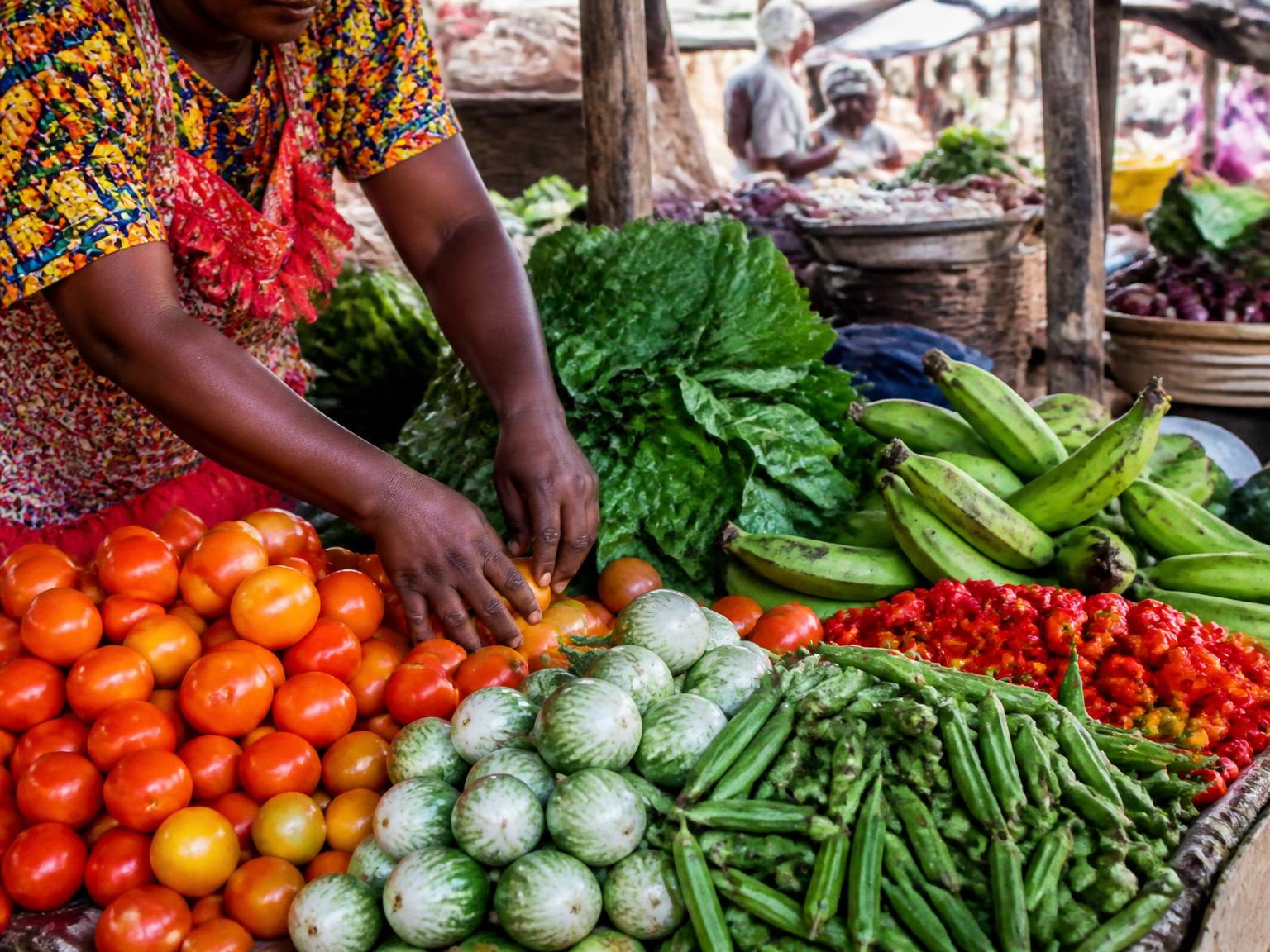
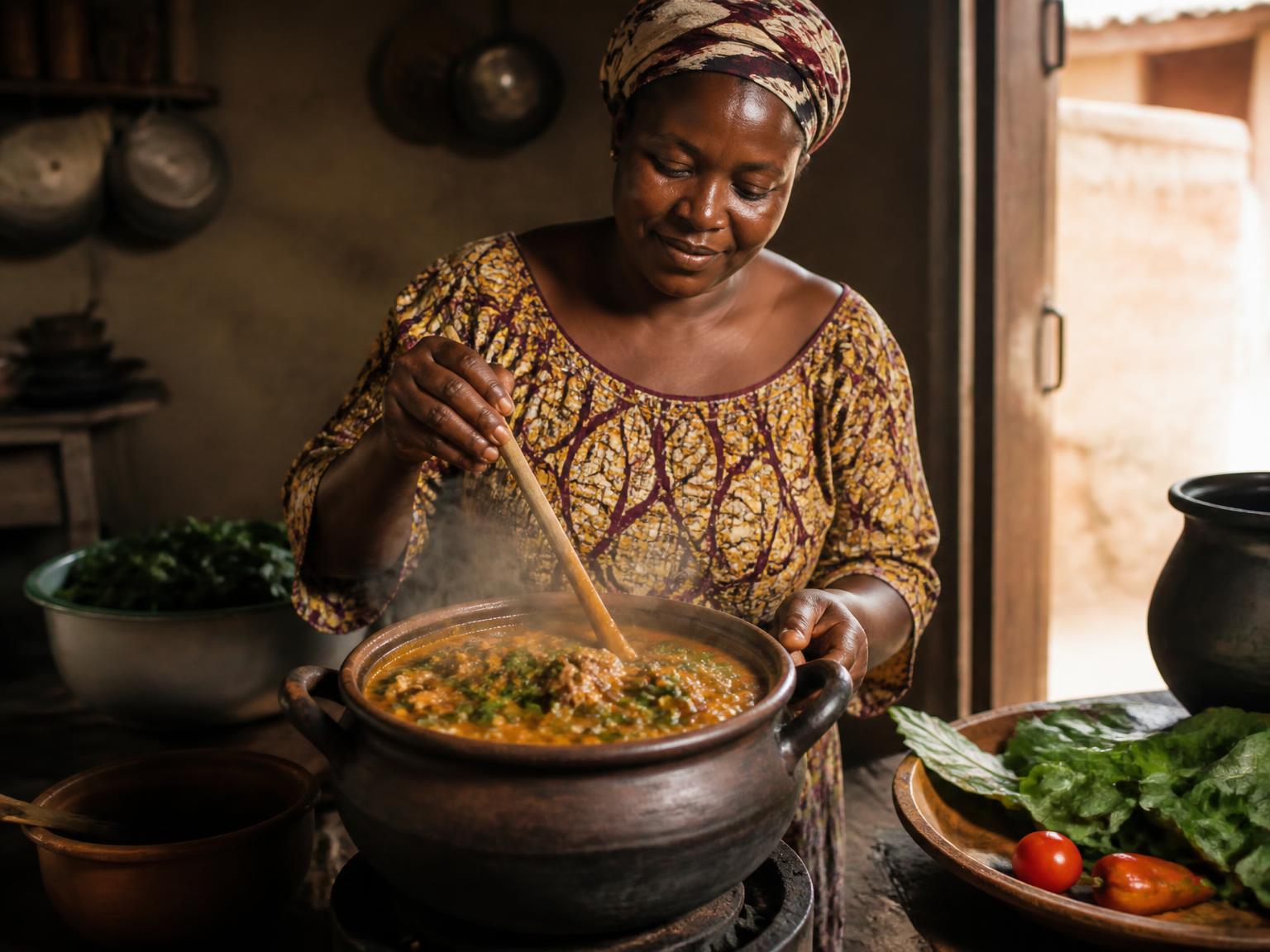
Log a meal in seconds, or photograph your plate for a clearly labelled estimate.
Recipes and meal plans from Ghanaian kitchens, with salt, sugar and fibre made visible.
Search a barcode or brand and see what a serving really carries before you buy.
Move more
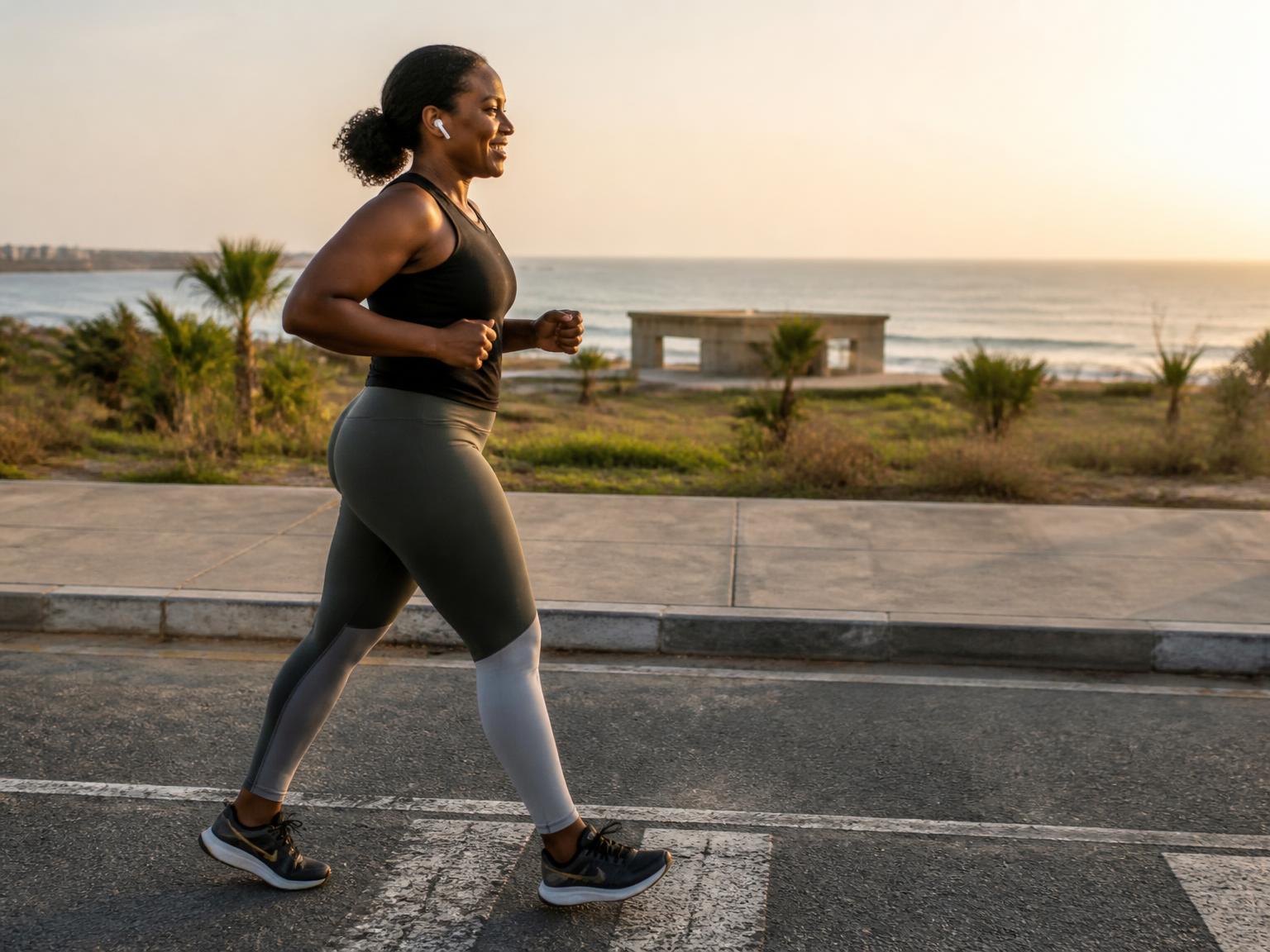
A walk to the market counts. So does a beginner routine on a bedroom floor. Follow guided sessions for pregnancy, older adults, or your first week back.

Mother & child
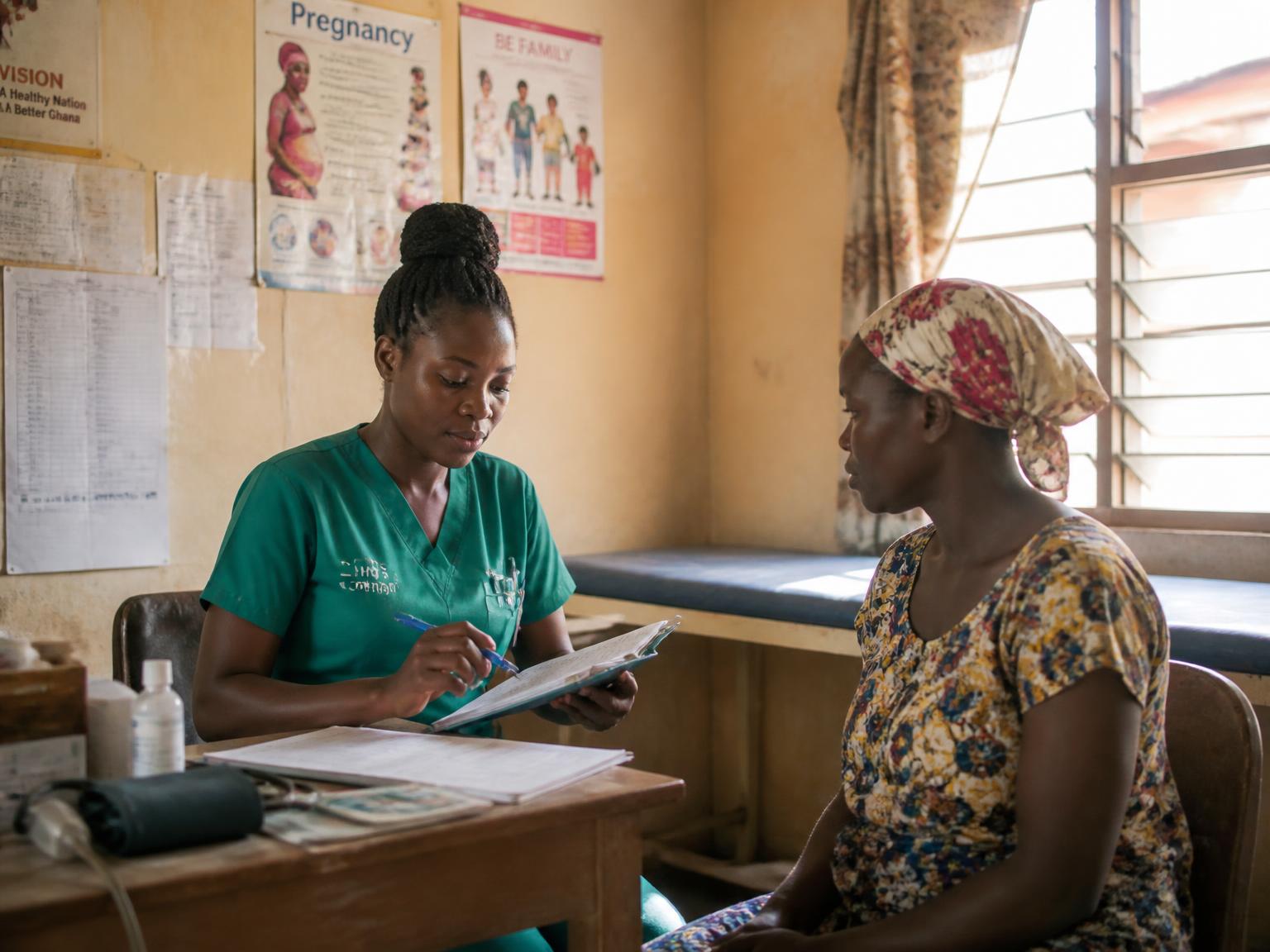
Antenatal care, safe feeding, immunisations and growth monitoring — with the warning signs written plainly, in the language you think in.
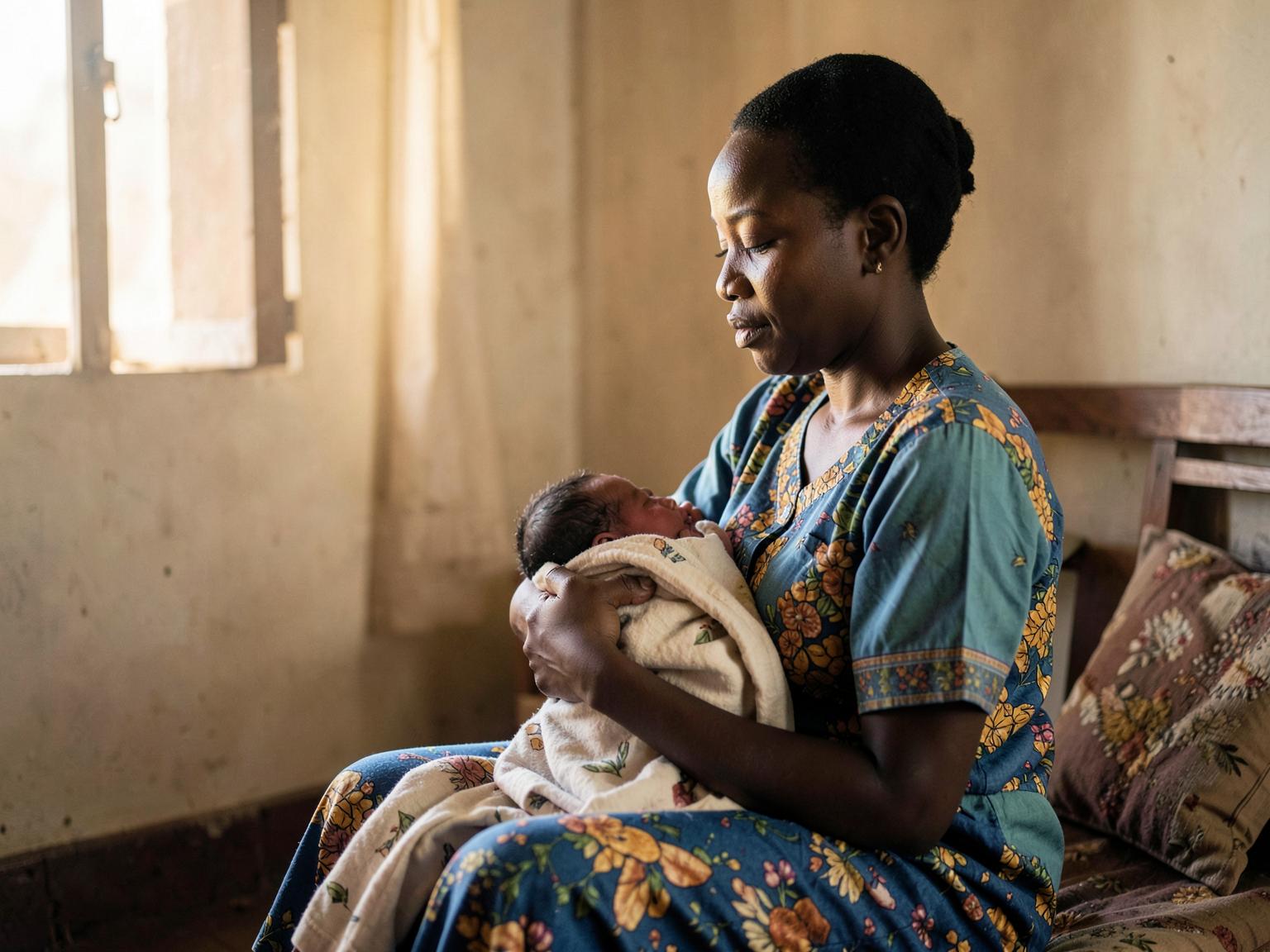
Exclusive breastfeeding guidance, then complementary feeding, week by week.
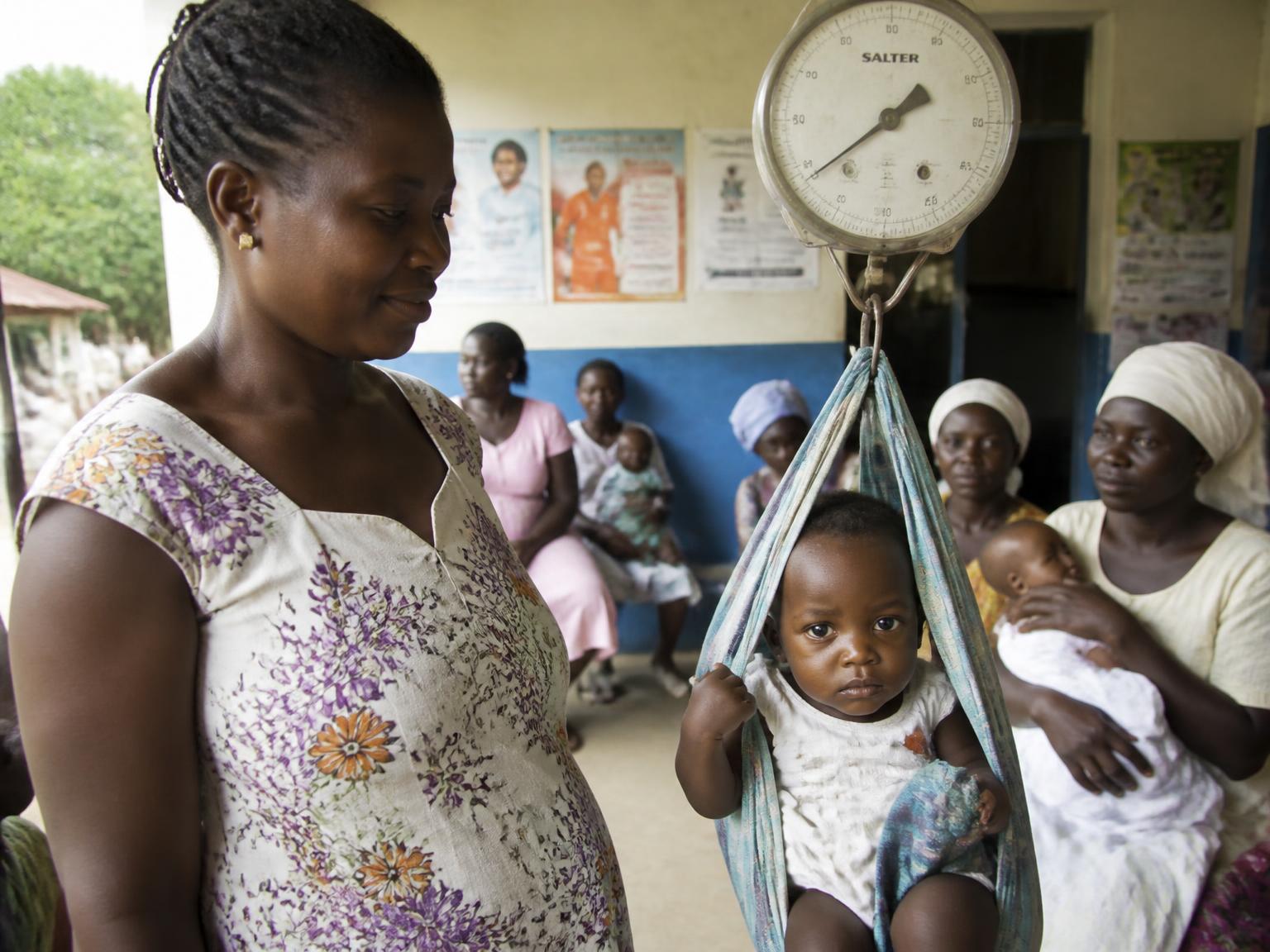
Weight and height plotted against reference curves, with faltering growth flagged early.
Visit schedules, danger signs and a record your midwife can read in seconds.
A household view
Parents can follow a child’s growth, families can coordinate care, and every adult still decides what remains private.
Healthy Ghana Learn
Reviewed by Ghanaian clinicians, written for people — not for a medical journal.
Heart health
What the two numbers mean, why one high reading is not a diagnosis, and when to act.
Nutrition
Beans, kontomire, plantain, brown rice and groundnut — everyday food, quietly working for you.
Child health
A varied plate builds immunity, growth and concentration in the classroom.
Healthy Ghana Live
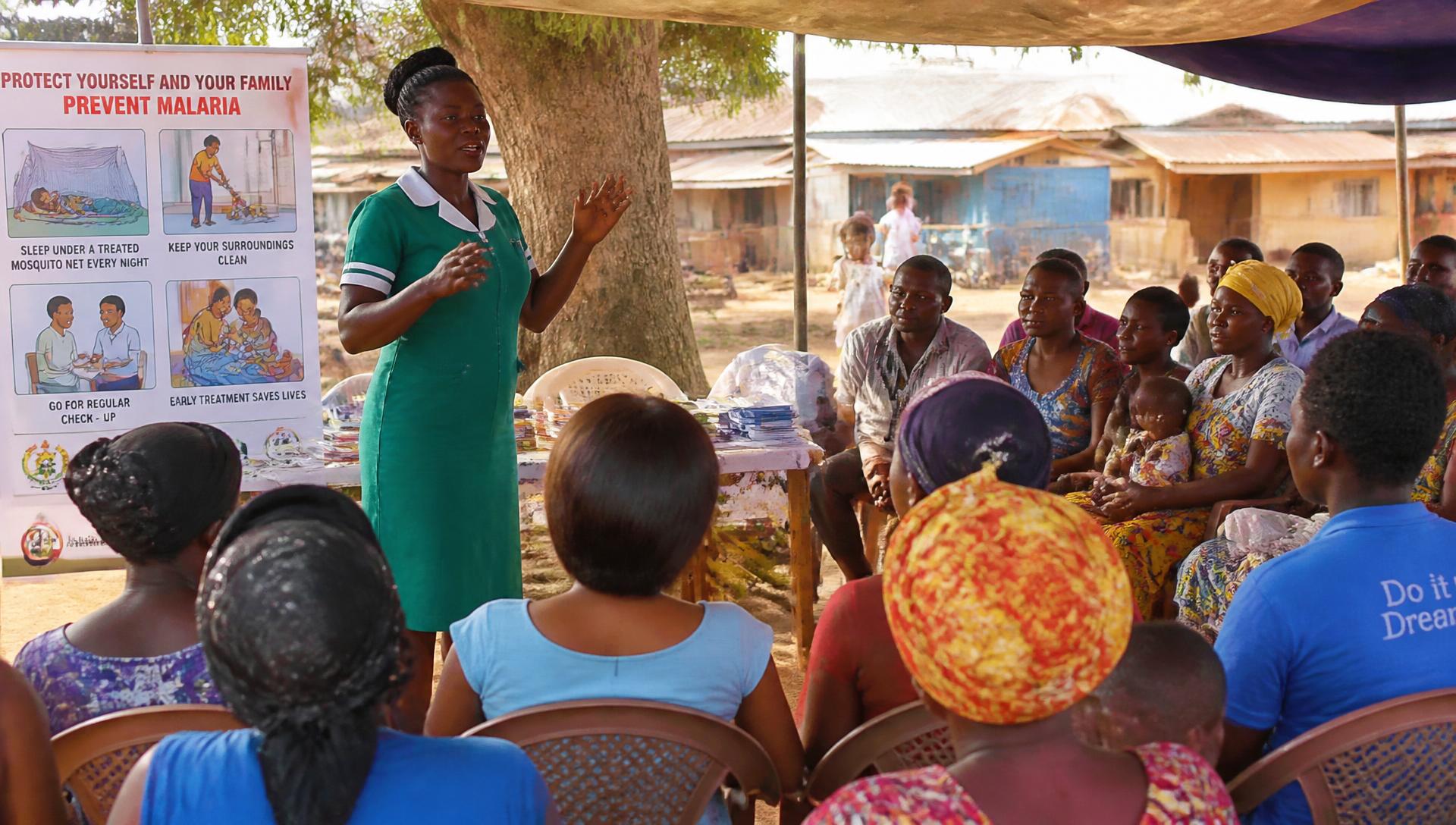
Live talks, clinics and question-and-answer sessions on hypertension, diabetes, nutrition, pregnancy and child health — free to join.
Health where life happens
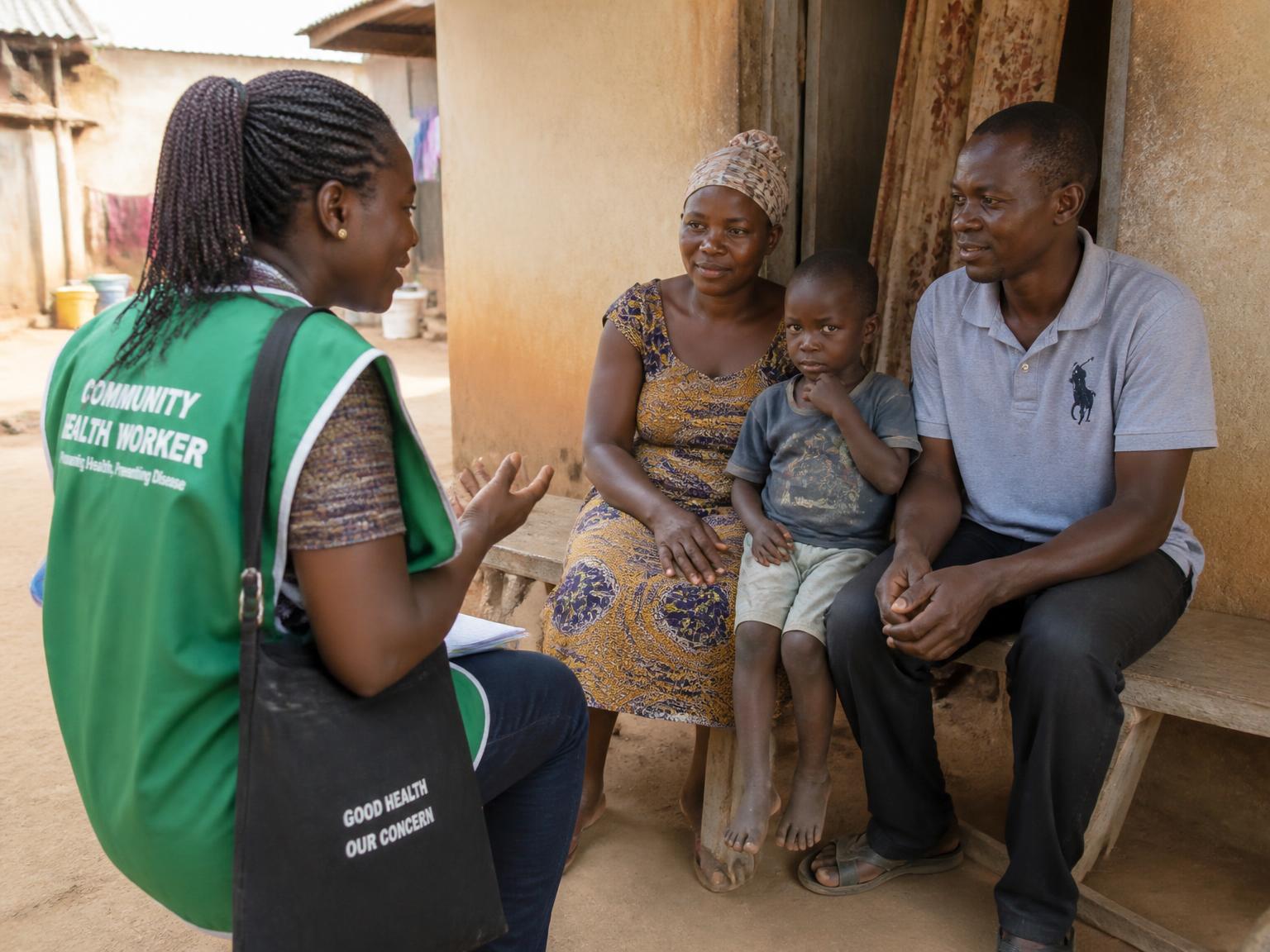
Community workers can record care offline. Clinicians see only what a person approves. Institutions see protected patterns, never individual lives.
Access for everyone
Four ways in, all leading to the same record. Twi, Ga, Ewe, Dagbani and English throughout.
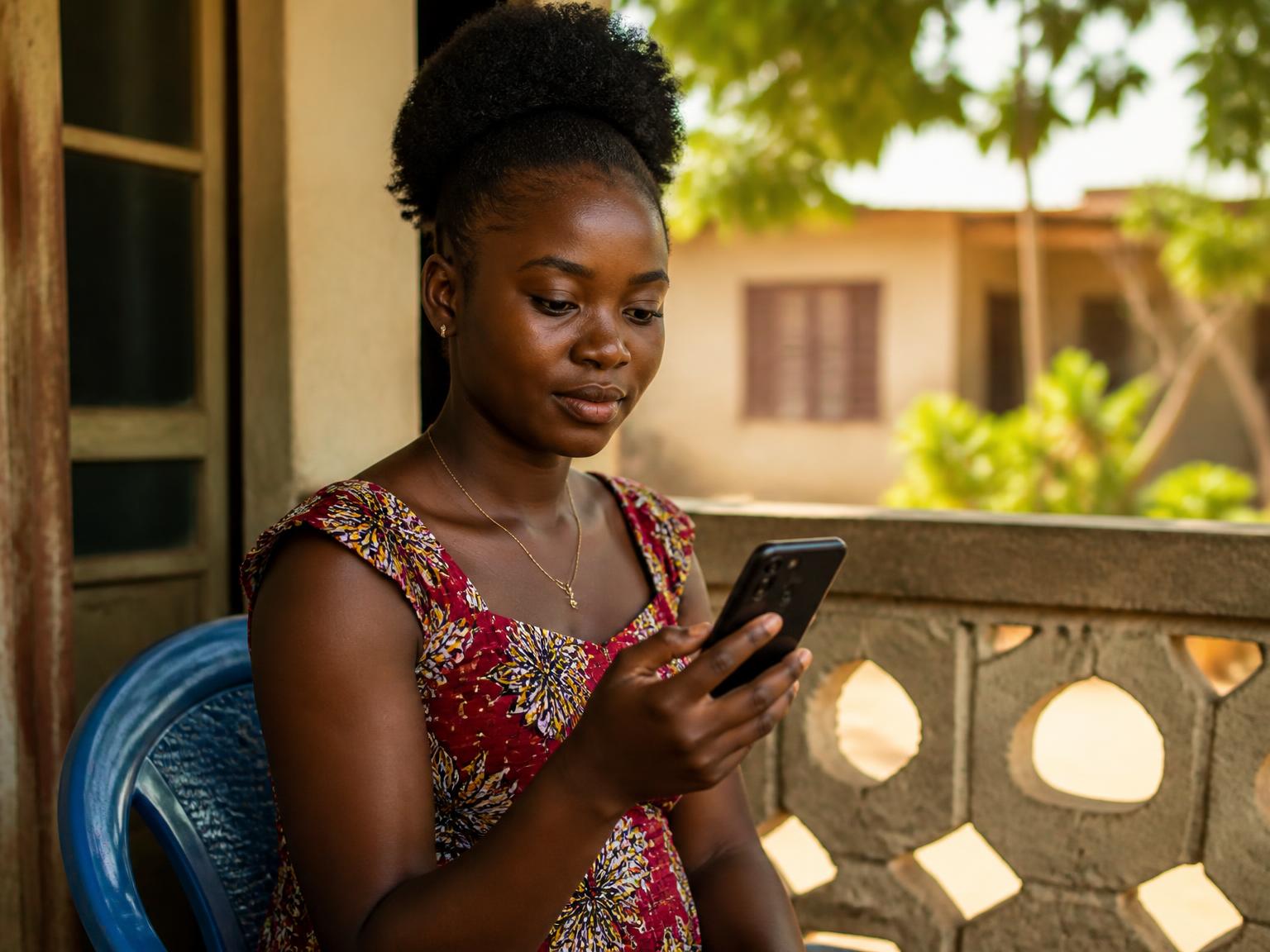
The full experience — readings, meals, learning and your family's record, online or on light data.
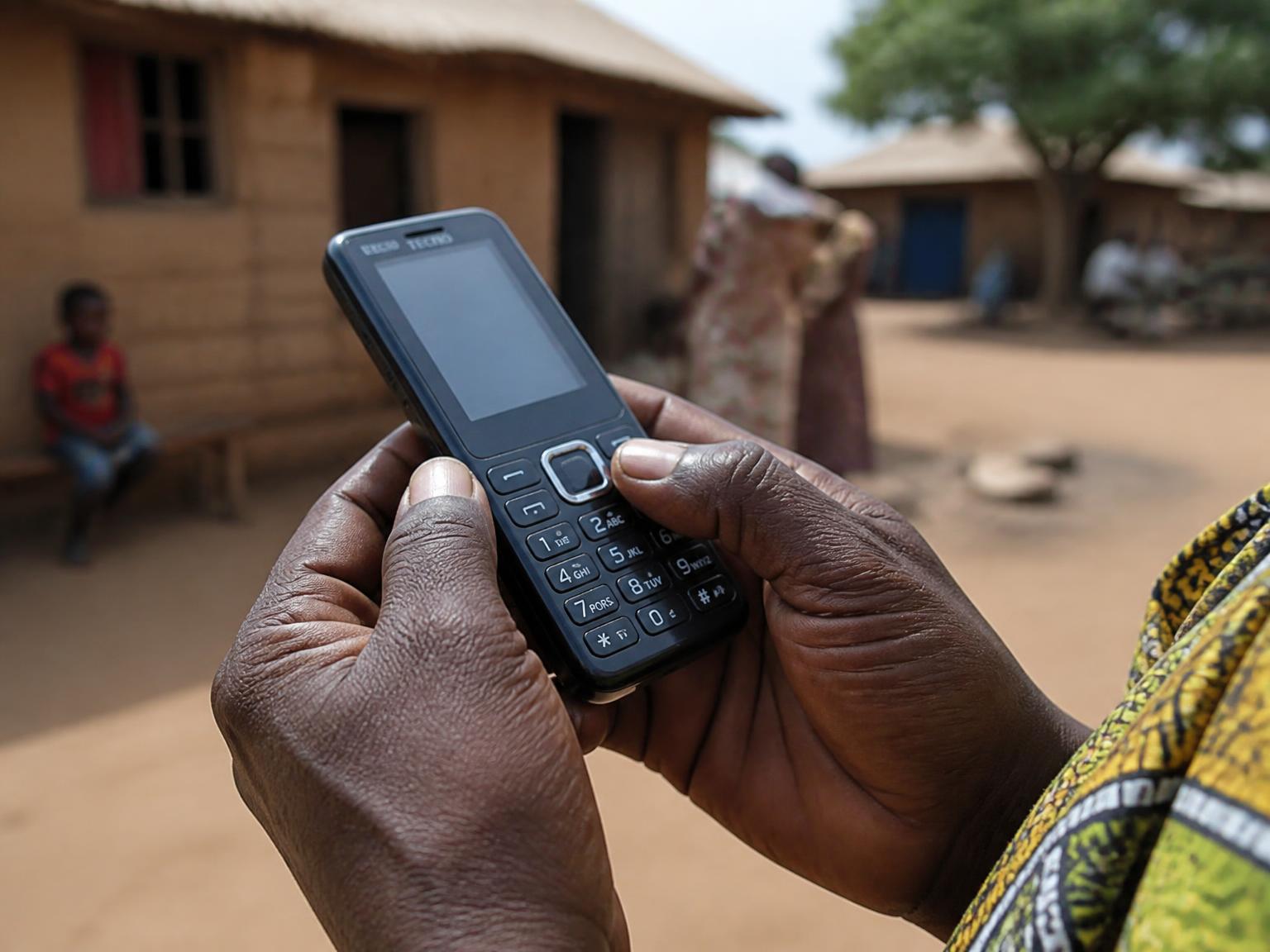
Dial a short code from any basic phone to log a reading, get a reminder, or reach help.
A trained worker records your visit at home or at the CHPS compound on your behalf.
Show a time-limited code and the clinician sees exactly what you approved — nothing more.
One record
Every reading, visit and prescription joins one thread that belongs to you. Your community health worker adds to it. Your clinic reads it. And in an emergency, any hospital in the country can see exactly what it needs to — with your permission, and nothing more.
No repeated tests. No lost folders. No starting the story again.
Your privacy
A national health record only works if people trust it. So control sits with you, by default, everywhere in the system.
From a basic summary to your full clinical record — you set the scope for every person or facility you grant access to.
See exactly who viewed, changed, or shared your information, and when — no silent access, ever.
Your records are encrypted in storage and in transit, protected the same way regardless of how you connect.
Your health information funds nothing but your own care. It is not a product, and it never will be.
Healthy Ghana explains patterns and points you toward care — it never diagnoses on its own. That judgment always belongs to a licensed health professional.
Beyond the individual
Healthy Ghana is a shared system, not just an app — with a different view for every kind of user.
A secure clinical view of exactly what each patient has approved — never more.
Provider sign in →Record outreach visits and screenings, even without a personal device on hand.
Community portal →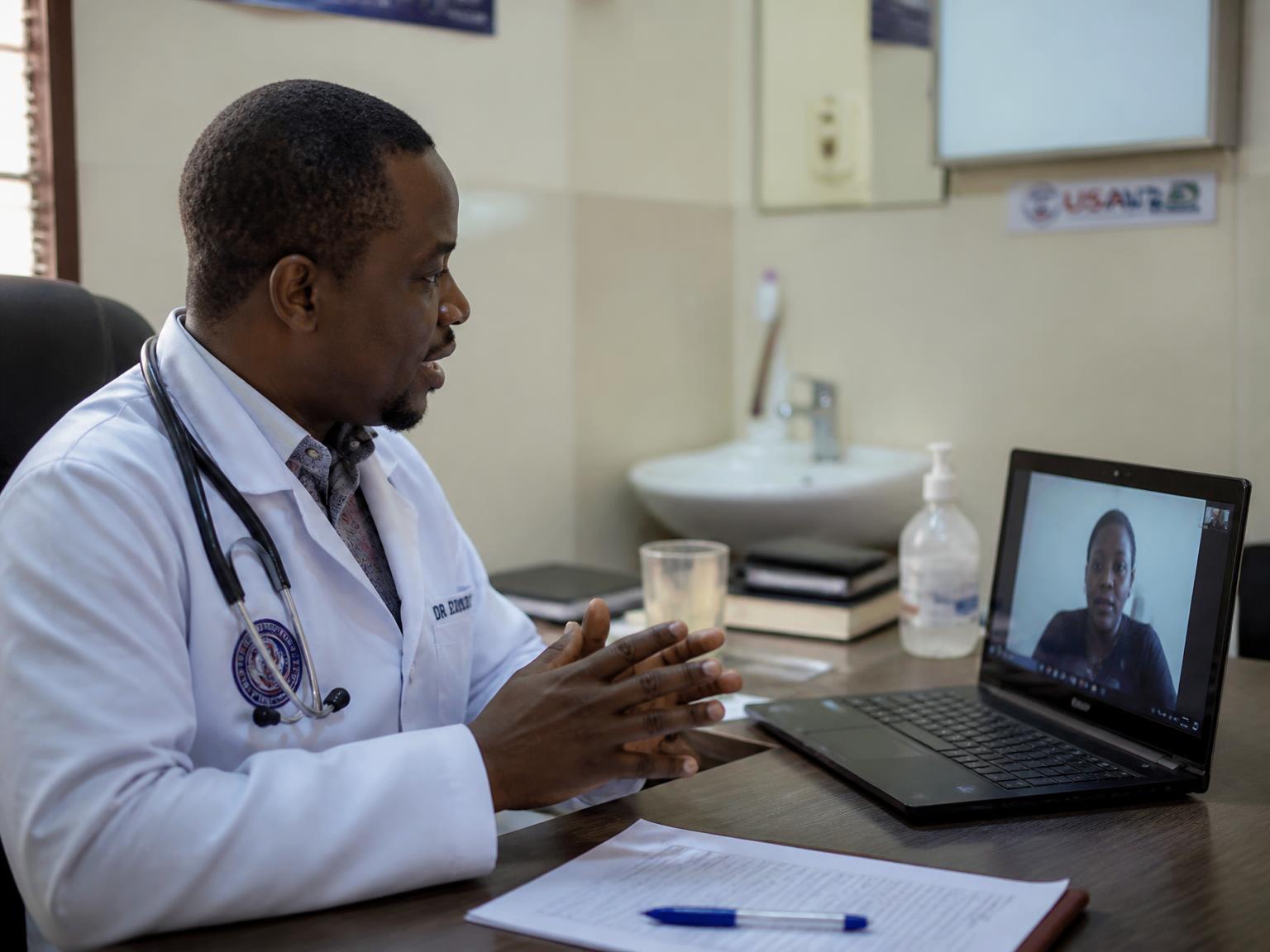
Aggregated, de-identified population trends — never an individual's record.
Population insights →One secure account, wherever you sign in. Your role determines your view — the same identity you use to check your own health is what a hospital, a community worker, or a government partner uses to reach theirs, each strictly limited to what they're authorized to see.
Where Ghana stands today
Every number below is quoted from one national survey of Ghanaian households. We publish them unchanged, because prevention starts with an honest baseline.
Children under five who are stunted
18%
Short for their age — a marker of long-term undernutrition. 6% are wasted and 12% underweight.
Children 6–59 months who are anaemic
49%
28% mildly, 20% moderately and 1% severely anaemic.
Women aged 15–49 who are anaemic
41%
23% mildly, 17% moderately anaemic.
Babies exclusively breastfed under six months
53%
Up from 32% in 1988, but roughly unchanged since 2014.
Children 6–23 months meeting minimum dietary diversity
41%
Fed at least five of the eight defined food groups the previous day.
Under-five mortality
40per 1,000
Infant mortality is 28 and neonatal mortality 17 per 1,000 live births.
Women receiving antenatal care from a skilled provider
98%
88% attended four or more antenatal visits.
Births assisted by a skilled provider
88%
Up from 41% in 1988 — one of Ghana's clearest health gains.
Source: Ghana Demographic and Health Survey 2022 — Key Indicators Report, Ghana Statistical Service with The DHS Program, May 2023. Read the report. Healthy Ghana publishes no impact claims of its own until they can be independently measured.
Join for free and start with your first reading today — a health record built to last a lifetime and travel wherever you do.